
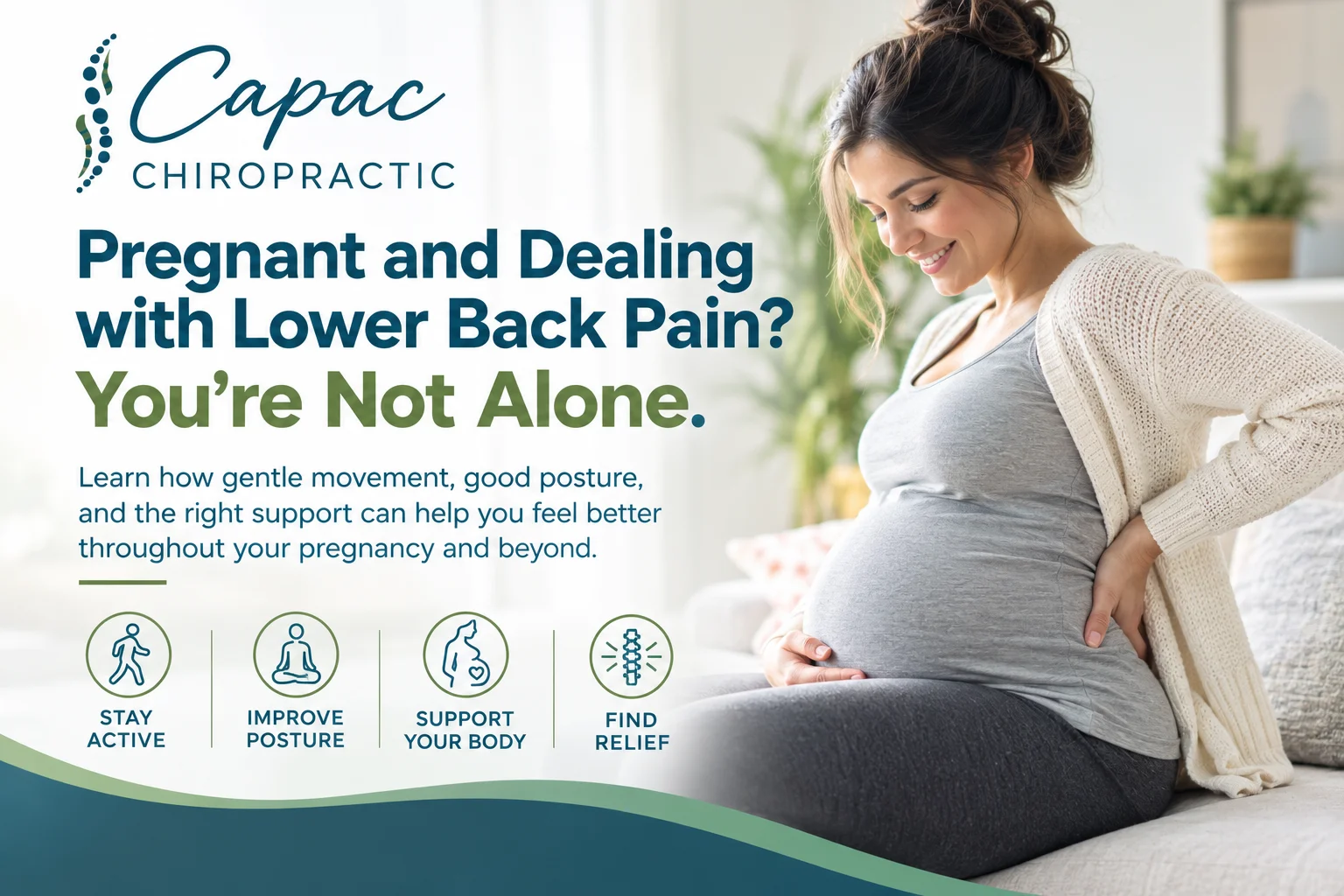
Pregnancy is an exciting time, but the physical changes that come with growing a baby can also bring unexpected aches and pains. One of the most common complaints during pregnancy is lower back pain.
If you're experiencing back pain while pregnant, you're not alone. Research suggests that nearly 65% of pregnant women experience lower back pain, which can affect sleep, mobility, and everyday activities.
At Capac Chiropractic in Capac, Michigan, we believe that understanding these changes can help expecting mothers make informed decisions about their comfort, movement, and overall well-being.
So, why does lower back pain happen during pregnancy, and what can you do to help manage it?
Why Is Lower Back Pain So Common During Pregnancy?
Your body undergoes significant physical and hormonal changes throughout pregnancy. These changes help prepare your body for childbirth, but they can also place additional demands on your muscles and joints.
Several factors may contribute to pregnancy-related lower back pain.
1. Your Changing Center of Gravity
As your baby grows, your weight distribution changes. This can shift your center of gravity and influence how you stand, walk, and move.
Your lower back and pelvic muscles may need to work differently to support these changes, potentially contributing to muscle fatigue and discomfort.
2. Hormonal Changes
During pregnancy, your body produces hormones that help prepare the pelvis for childbirth. These hormonal changes can affect the ligaments and connective tissues that support your joints.
Combined with changes in posture and movement, this may contribute to discomfort around the lower back and pelvis.
3. Increased Physical Demands
Everyday activities can feel different during pregnancy. Standing for long periods, bending, lifting, and even sleeping comfortably may become more challenging.
As your body adapts, your back and surrounding muscles may experience increased demands.
4. Changes in Posture and Movement
Pregnancy can change the way you distribute weight and use your muscles. Some people develop different standing or walking patterns to accommodate their growing abdomen.
These adaptations are normal, but they may contribute to muscle tension and back discomfort in some individuals.
How Common Is Pregnancy-Related Back Pain?
Lower back pain is a frequent concern during pregnancy and can occur at different stages.
Some women notice discomfort early in pregnancy, while others experience it more prominently as their baby grows.
Research has reported that approximately 65% of pregnant women experience lower back pain, although estimates vary depending on the population studied and how symptoms are measured.
The discomfort can range from mild stiffness to pain that interferes with walking, sleeping, working, or completing everyday tasks.
Although back pain is common during pregnancy, that doesn't mean you have to ignore it.
5 Tips to Help Manage Lower Back Pain During Pregnancy
There is no single solution that works for everyone. However, several strategies may help support comfort and mobility during pregnancy.
1. Stay Active With Pregnancy-Appropriate Movement
Gentle physical activity can help maintain strength, mobility, and overall health throughout pregnancy.
Depending on your health, stage of pregnancy, and healthcare provider's recommendations, options may include:
- Walking at a comfortable pace
- Pregnancy-appropriate stretching
- Prenatal yoga with a qualified instructor
- Gentle mobility exercises
- Exercises recommended by a prenatal physical therapist
Start at a comfortable level and avoid movements that worsen your symptoms.
If you have pregnancy complications or have been advised to limit physical activity, speak with your maternity care provider before beginning an exercise program.
2. Pay Attention to Your Posture
As your body changes, you may find yourself adjusting the way you sit, stand, and walk.
A few simple strategies may help reduce unnecessary strain:
- Change positions regularly rather than remaining seated or standing for long periods.
- Use supportive seating when possible.
- Avoid twisting while lifting or carrying objects.
- Keep objects close to your body when lifting, and ask for help with heavy items.
- Take breaks when you begin to feel fatigued.
Remember that there is no single perfect posture. Comfortable movement and changing positions regularly are often more useful than trying to maintain one rigid position all day.
3. Make Sleep More Comfortable
Finding a comfortable sleeping position can become increasingly difficult as pregnancy progresses.
You may find it helpful to:
- Sleep on your side if that is comfortable.
- Place a pillow between your knees.
- Use a pregnancy pillow to support your abdomen and hips.
- Place a pillow behind your back for additional support.
If back pain regularly interrupts your sleep, discuss it with your healthcare provider.
4. Listen to Your Body
Pregnancy isn't the time to push through every ache or discomfort.
If a particular movement causes pain, modify it or stop. Allow yourself time to rest when needed, and gradually return to comfortable activities.
If your back pain is persistent, worsening, or interfering with your daily routine, seek professional guidance rather than assuming it is simply a normal part of pregnancy.
5. Seek Appropriate Professional Support
A healthcare professional can help determine what may be contributing to your discomfort and recommend suitable management options.
Depending on your needs, support may include guidance from your obstetric provider, a prenatal physical therapist, or a chiropractor experienced in pregnancy-related care.
The right approach depends on your symptoms, medical history, stage of pregnancy, and individual needs.
Can Chiropractic Care Help With Pregnancy Back Pain?
Some pregnant women explore chiropractic care as one option for managing musculoskeletal discomfort.
Chiropractic care may involve evaluating movement, posture, and musculoskeletal function, along with discussing appropriate strategies for improving comfort.
However, evidence for specific chiropractic treatments during pregnancy is limited, and treatment should be individualized. Not every technique is appropriate for every pregnant patient.
At Capac Chiropractic, we encourage expecting mothers to discuss their symptoms, medical history, and care options with their maternity care provider.
If chiropractic care is being considered, choose a practitioner with appropriate training and experience in pregnancy-related care. Treatment should be adapted to the patient's stage of pregnancy and comfort level.
The goal is to support your well-being while prioritizing the health and safety of both you and your baby.
Don't Forget About Postpartum Back Pain
Back discomfort doesn't always disappear immediately after delivery.
During the postpartum period, your body continues to recover while you adapt to new physical demands, including feeding, carrying, lifting, and caring for your baby.
These activities can place additional demands on your back, shoulders, and neck.
Helpful strategies may include:
- Gradually returning to physical activity when medically appropriate
- Using supportive positions while feeding your baby
- Keeping your baby close to your body when lifting or carrying
- Alternating positions throughout the day
- Seeking professional guidance if pain persists
Recovery looks different for everyone. Give your body time to adapt, and seek help if discomfort interferes with daily activities.
When Should You Seek Medical Attention for Back Pain During Pregnancy?
Although back pain is common during pregnancy, some symptoms require prompt medical evaluation.
Contact your maternity care provider if your pain is severe, persistent, or accompanied by other concerning symptoms.
Seek urgent medical care for back pain accompanied by vaginal bleeding, fluid leakage, fever, painful urination, regular contractions, or other symptoms that concern you.
Sudden severe pain, significant leg weakness, or new loss of bladder or bowel control requires emergency assessment.
When in doubt, contact your maternity care team rather than assuming your symptoms are pregnancy-related muscle or joint discomfort.
Looking for Pregnancy-Related Back Pain Support in Capac, Michigan?
Pregnancy brings many changes, and lower back pain can make an already busy time more challenging.
The good news is that appropriate movement, practical adjustments to everyday activities, and individualized professional guidance may help you manage discomfort and maintain mobility.
At Capac Chiropractic, we want our patients to feel informed and supported as they navigate changes in their health and movement.
If you're experiencing lower back pain during pregnancy or after childbirth, contact Capac Chiropractic in Capac, Michigan, to discuss your concerns and explore appropriate care options.
Your comfort matters. With the right guidance and a plan tailored to your needs, you can take positive steps toward supporting your movement and well-being throughout pregnancy and postpartum recovery.
This article is for educational purposes only and does not replace medical advice. Always consult your obstetric or maternity care provider about new or persistent pain, exercise during pregnancy, and treatment options.